| 1 |
Meet at the airport or hotel by our Local Guide, then transfer by coach to visit :
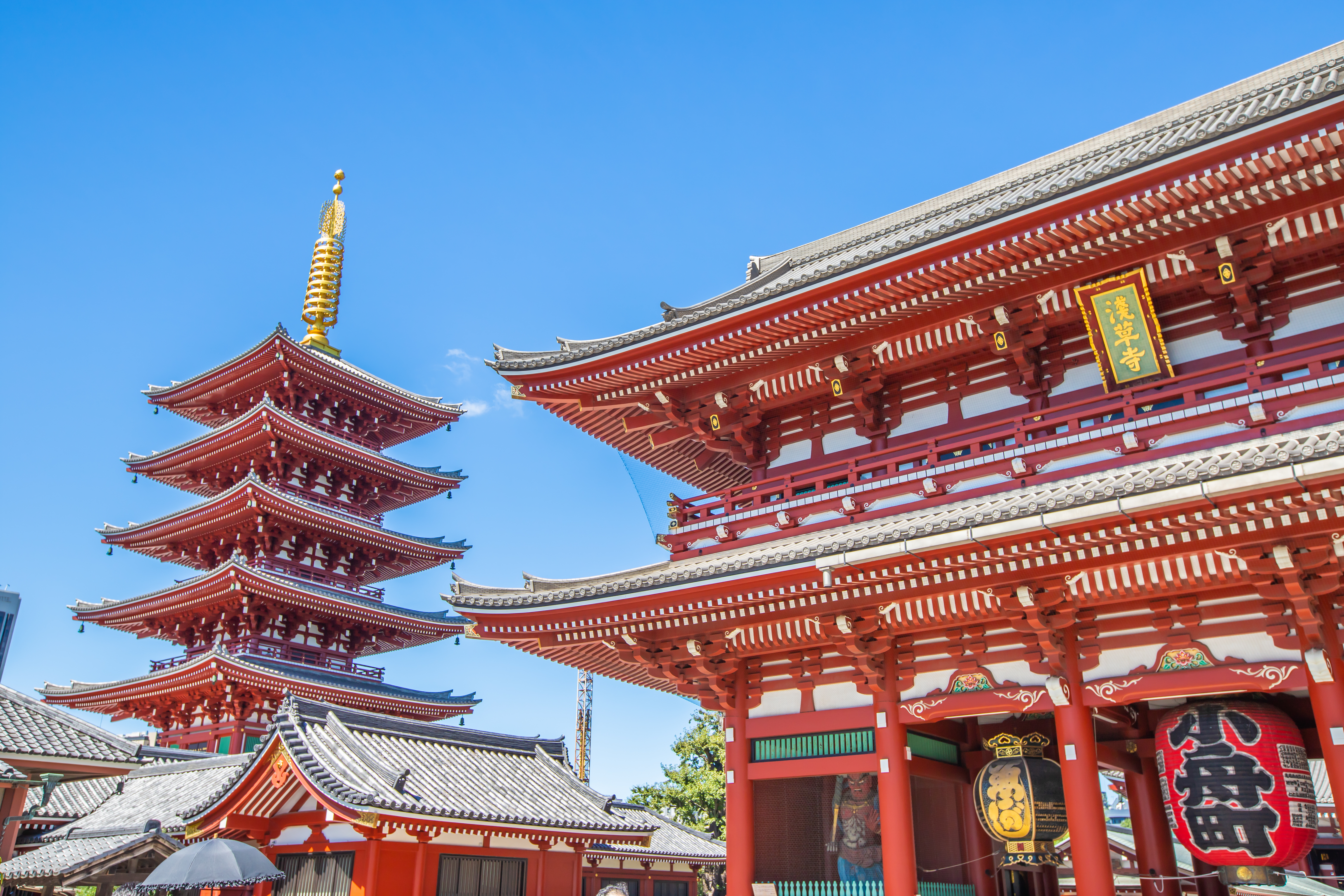
Asakusa & Senso-ji Temple area where an atmosphere of the Tokyo of past decades survives and enjoy visiting Sensoji temple, Tokyo’s oldest Buddhist temple and a cornerstone of the city’s heritage.
founded in the 7th century, it remains a place of worship and cultural pride.
The vibrant streets around the temple reflect old-town Tokyo charm.
A perfect introduction to Japan’s traditions and spirituality.
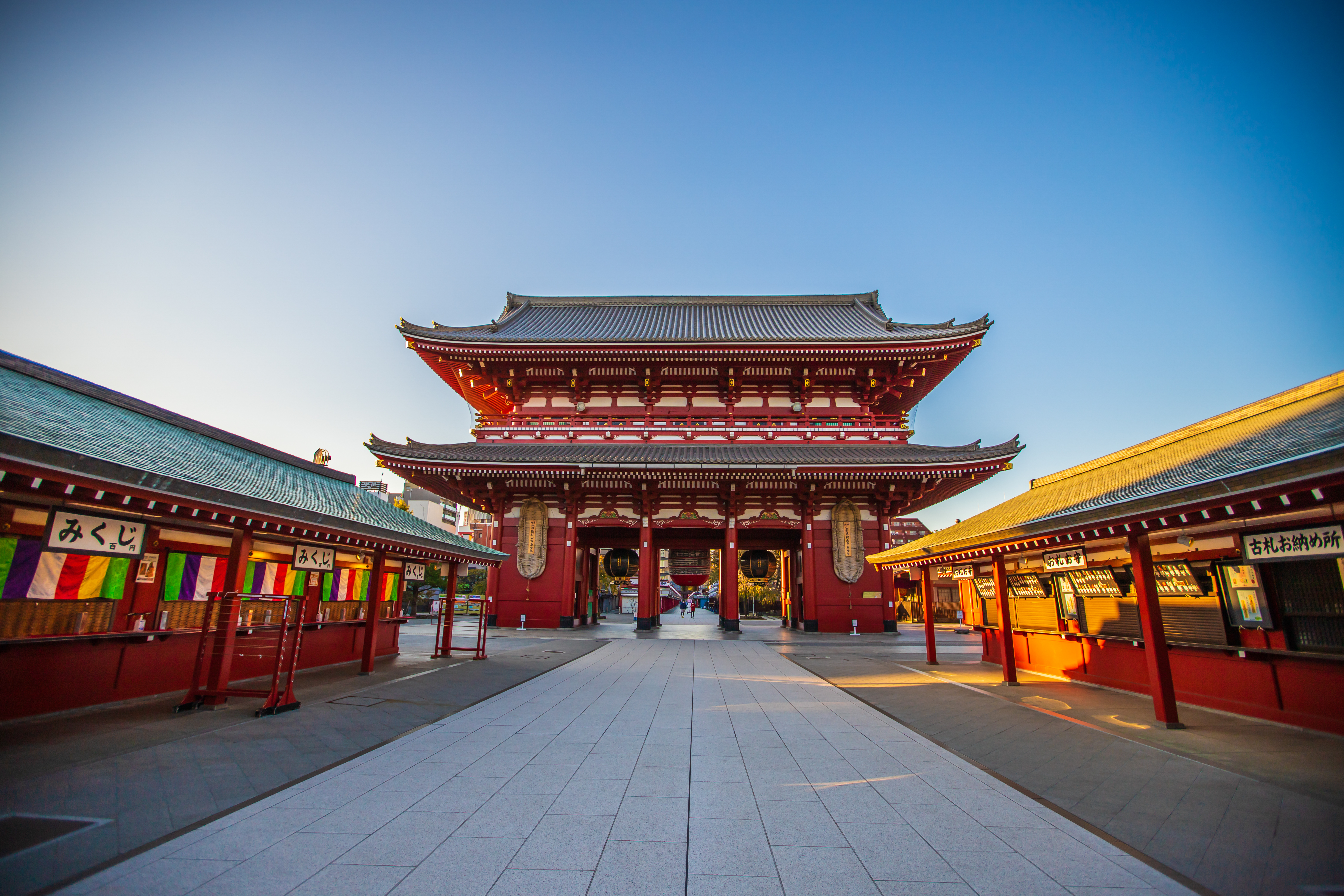
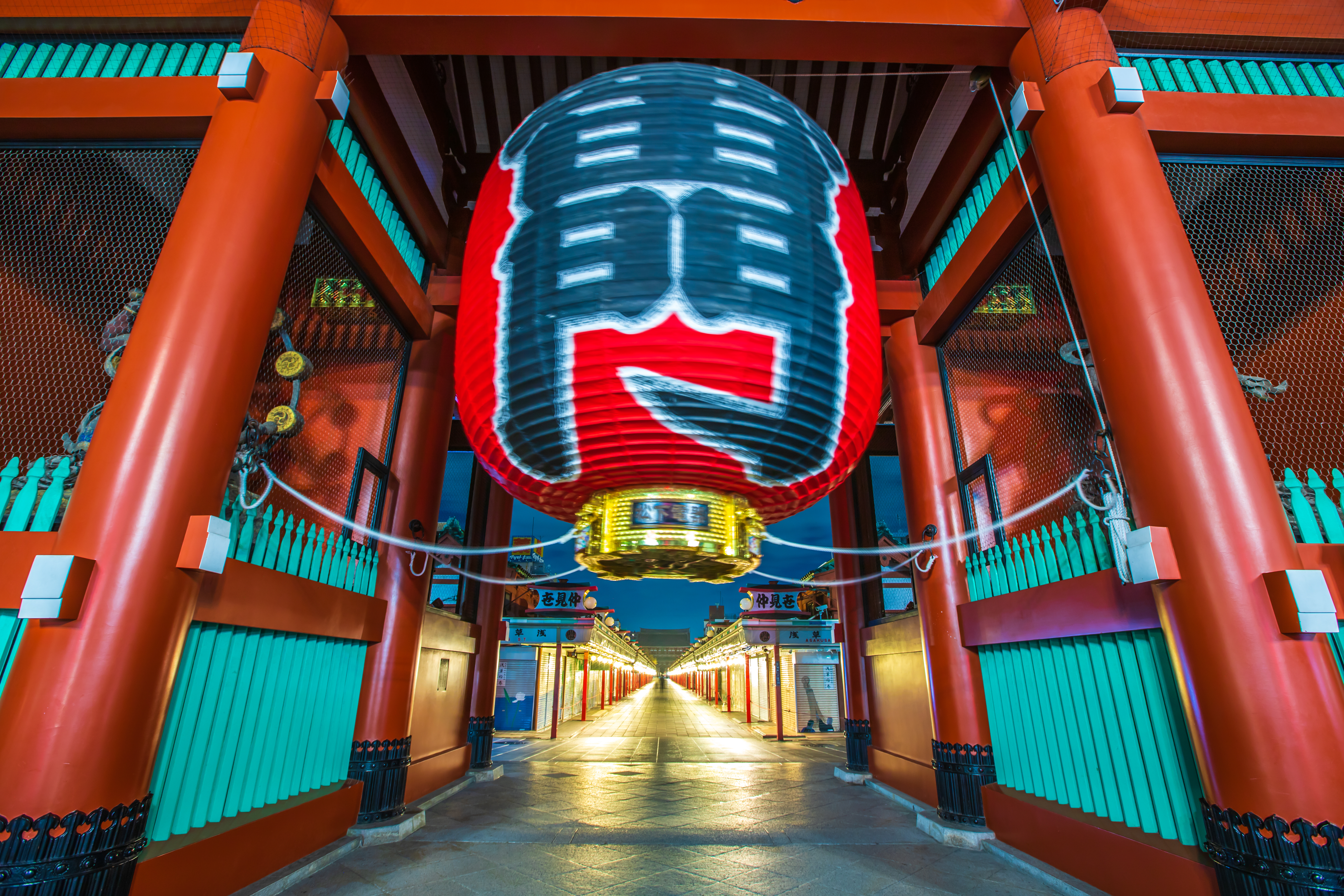
Kaminarimon, The iconic outer gate of Senso-ji Temple, marked by its giant red lantern.
One of Tokyo’s most photographed landmarks.
Symbolizes protection and good fortune in Japanese culture.
The ceremonial entrance to Asakusa’s historic streets.
Nakamise shopping street, a historic shopping street leading from Kaminarimon to the temple.
Lined with stalls selling traditional snacks and souvenirs.
Its lively atmosphere reflects everyday Japanese culture.
An ideal place to sample local flavors and crafts.
Tokyo Sky Tree, Japan’s tallest structure and a modern architectural icon.
Offers panoramic views across Tokyo and beyond.
Features shopping, dining, and entertainment at its base.
A striking contrast to the historic Asakusa neighborhood. Overnight: Tokyo |
| 2 |
After breakfast, meet your Local Guide and depart by coach to explore the scenic Hakone region:
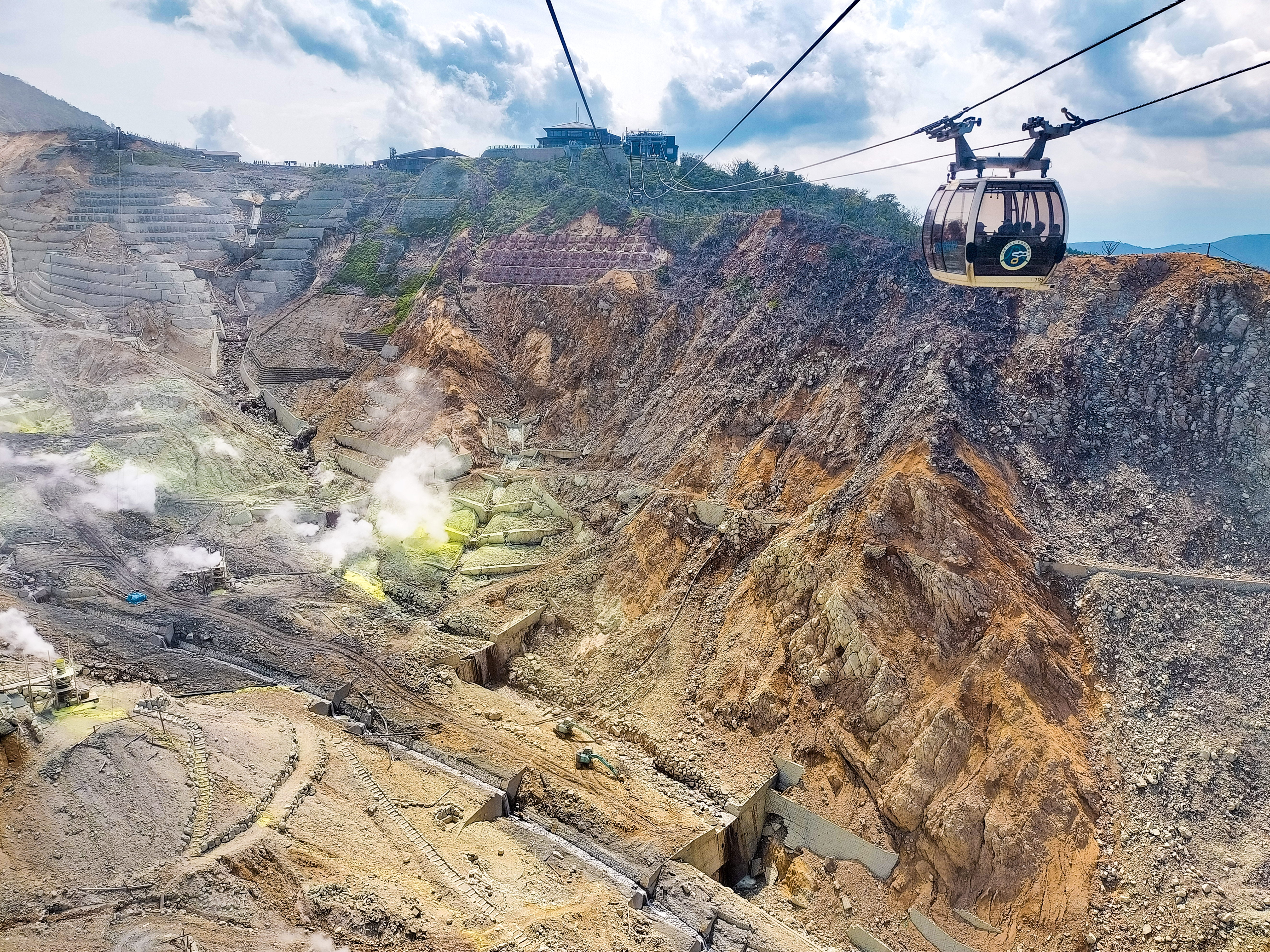
Hakone Ropeway, a scenic aerial cable car ride over volcanic landscapes.
Offers breathtaking views of mountains, valleys, and steaming terrain.
Provides a unique perspective of Hakone’s dramatic natural beauty.
An essential highlight of the Hakone sightseeing circuit.
Owakudani Valley, an active volcanic area with sulfur vents and hot springs.
Formed during a volcanic eruption thousands of years ago.
Famous for its black eggs boiled in mineral-rich waters.
A striking example of Japan’s geothermal activity.
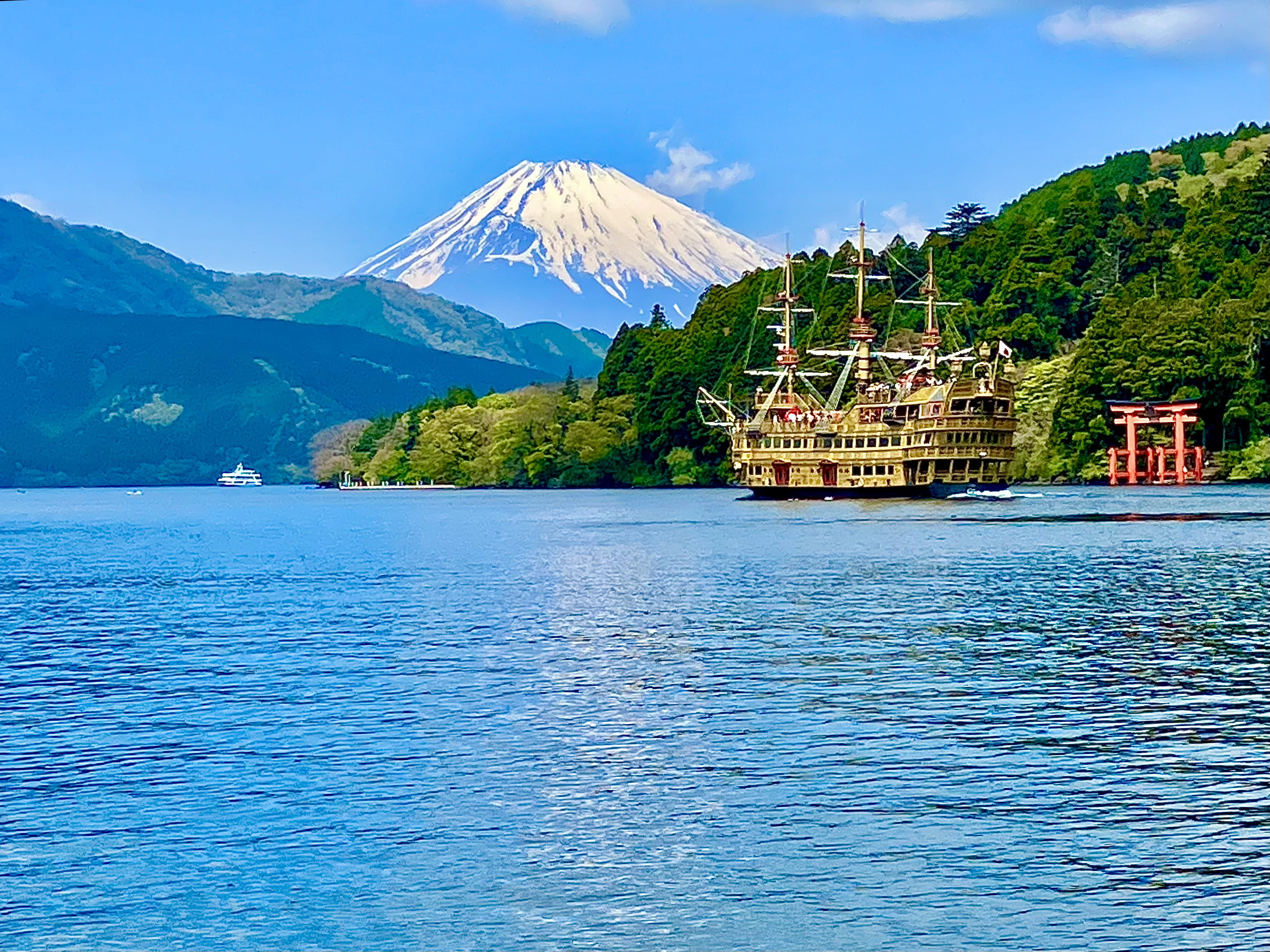
Lake Ashi Cruise, a peaceful boat ride across a crater lake.
Surrounded by forested hills and volcanic scenery.
Offers beautiful views of Mt. Fuji on clear days.
A serene and relaxing experience in nature.
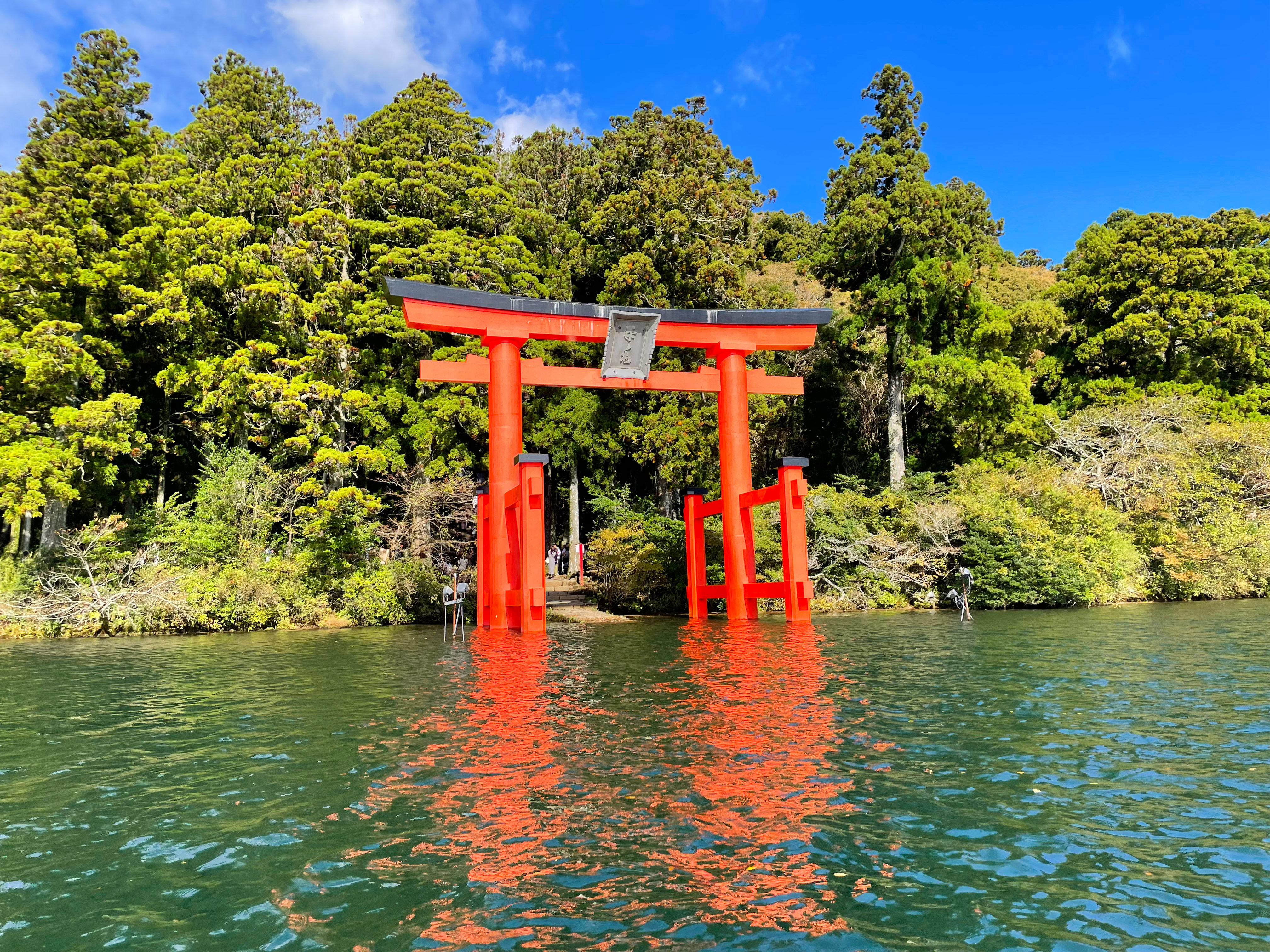
Hakone Shrine, a historic shrine set within a forest beside Lake Ashi.
Known for its iconic red torii gate standing in the water.
Traditionally associated with protection and safe travel.
One of Hakone’s most spiritual and photogenic landmarks.
Overnight: Hakone or Tokyo
|
| 3 |
After breakfast, meet your Local Guide and continue your Tokyo city tour by coach to visit:
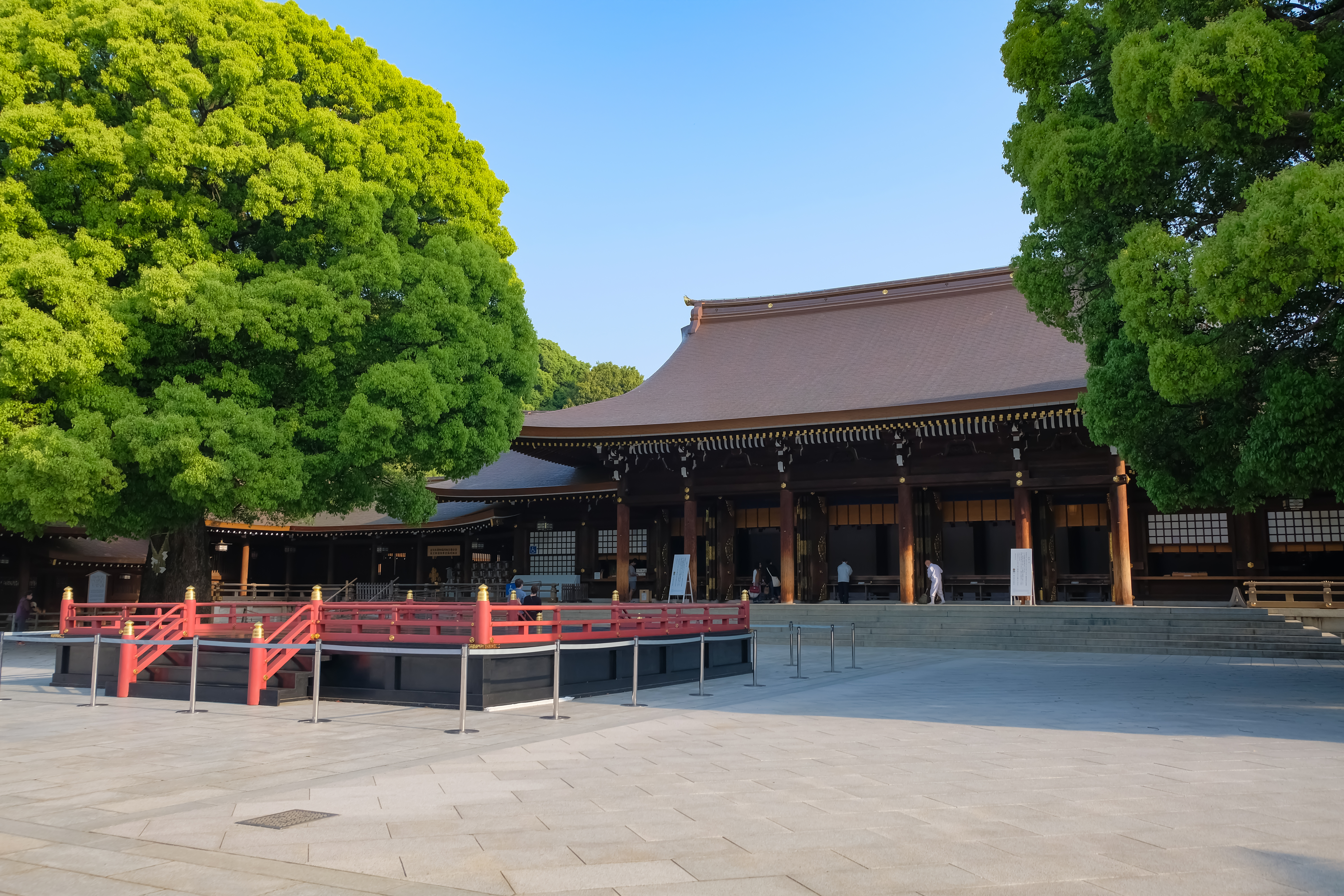
Meiji Shrine, a tranquil Shinto shrine set within a lush forest in the heart of Tokyo.
Dedicated to Emperor Meiji and Empress Shoken.
Offers a peaceful escape from the surrounding urban energy.
One of Tokyo’s most important spiritual and cultural landmarks.
Harajuku Takeshita Street, the center of Tokyo’s youth fashion and pop culture.
Known for colorful boutiques, trendy shops, and sweet treats.
Showcases the playful and creative side of modern Japan.
A favorite destination for fashion lovers and photographers.
Ginza District, Tokyo’s most prestigious shopping and dining area.
Home to luxury brands, flagship stores, and refined architecture.
Blends modern elegance with Japanese craftsmanship.
An ideal place to enjoy leisure time and last-minute shopping.
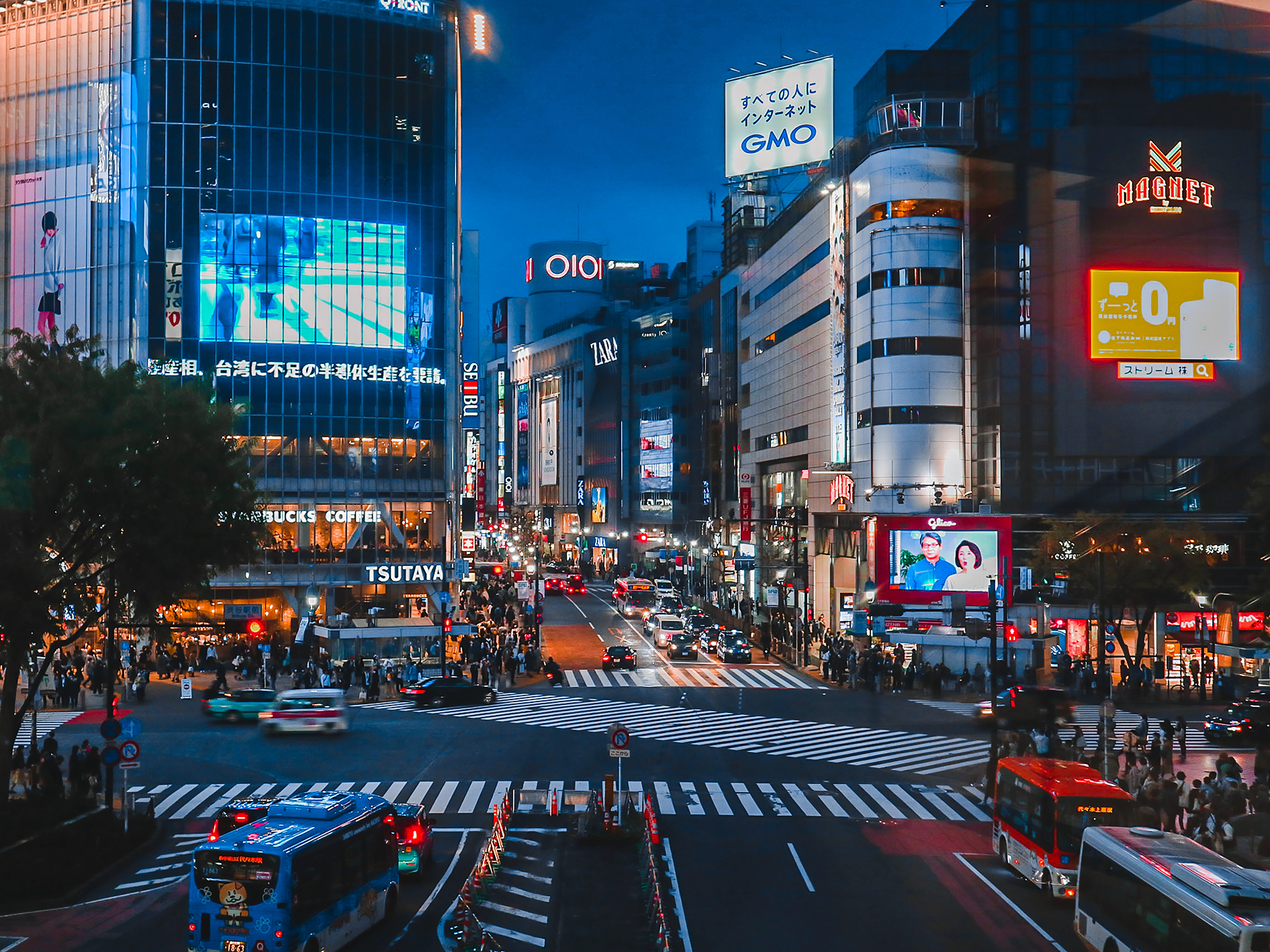
Shibuya Crossing, one of the busiest pedestrian crossings in the world.
A powerful symbol of Tokyo’s fast-paced urban lifestyle.
Best viewed from above for a dramatic cityscape experience.
Captures the vibrant energy of modern Japan.
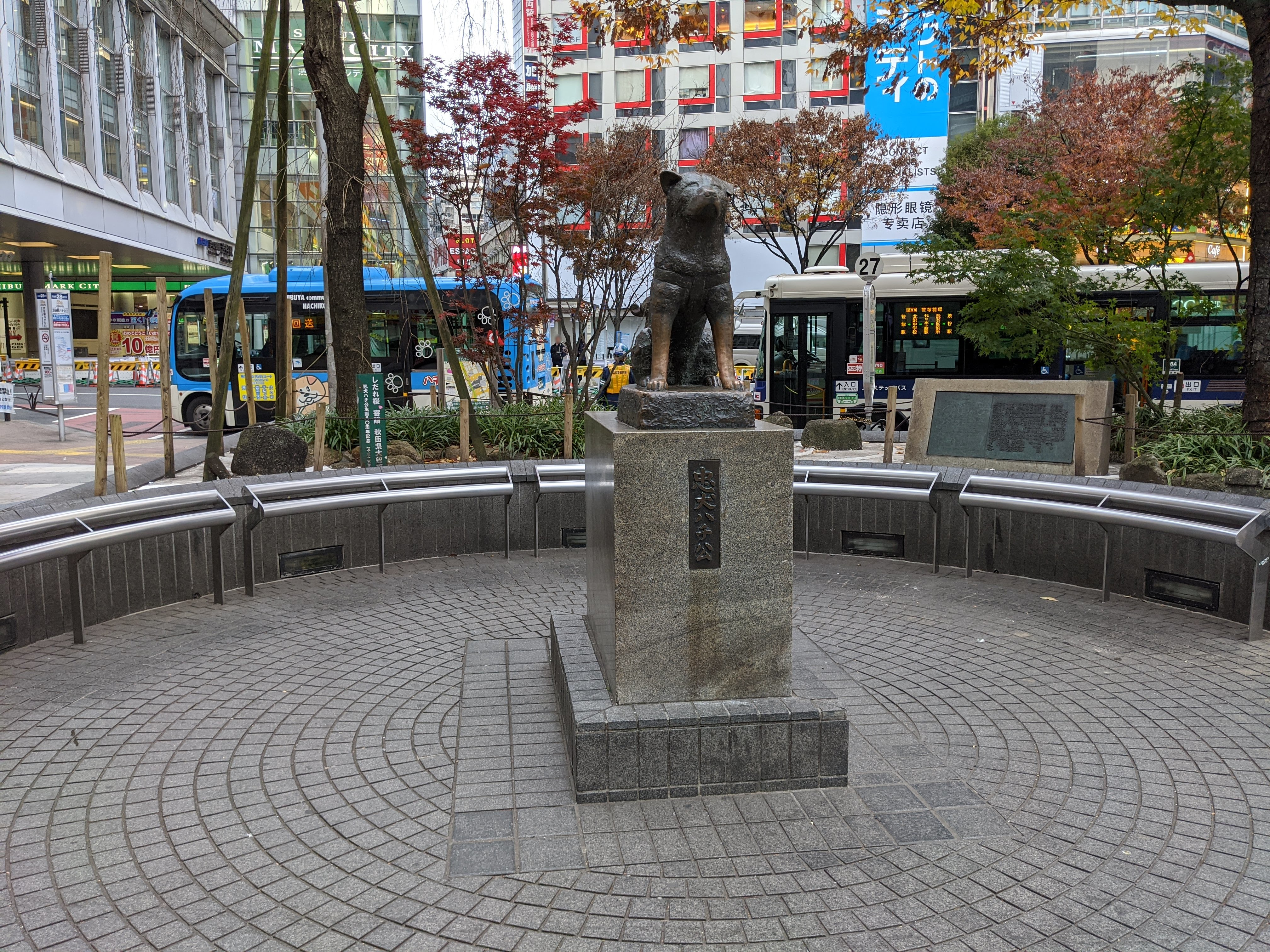
Hachiko Statue, a famous landmark honoring Japan’s most loyal dog.
Located just outside Shibuya Station.
Represents devotion, loyalty, and enduring friendship.
A popular meeting point and cultural icon.
Overnight: Tokyo |
| 4 |
After breakfast, meet your Local Guide and depart by coach to visit Kamakura highlights:
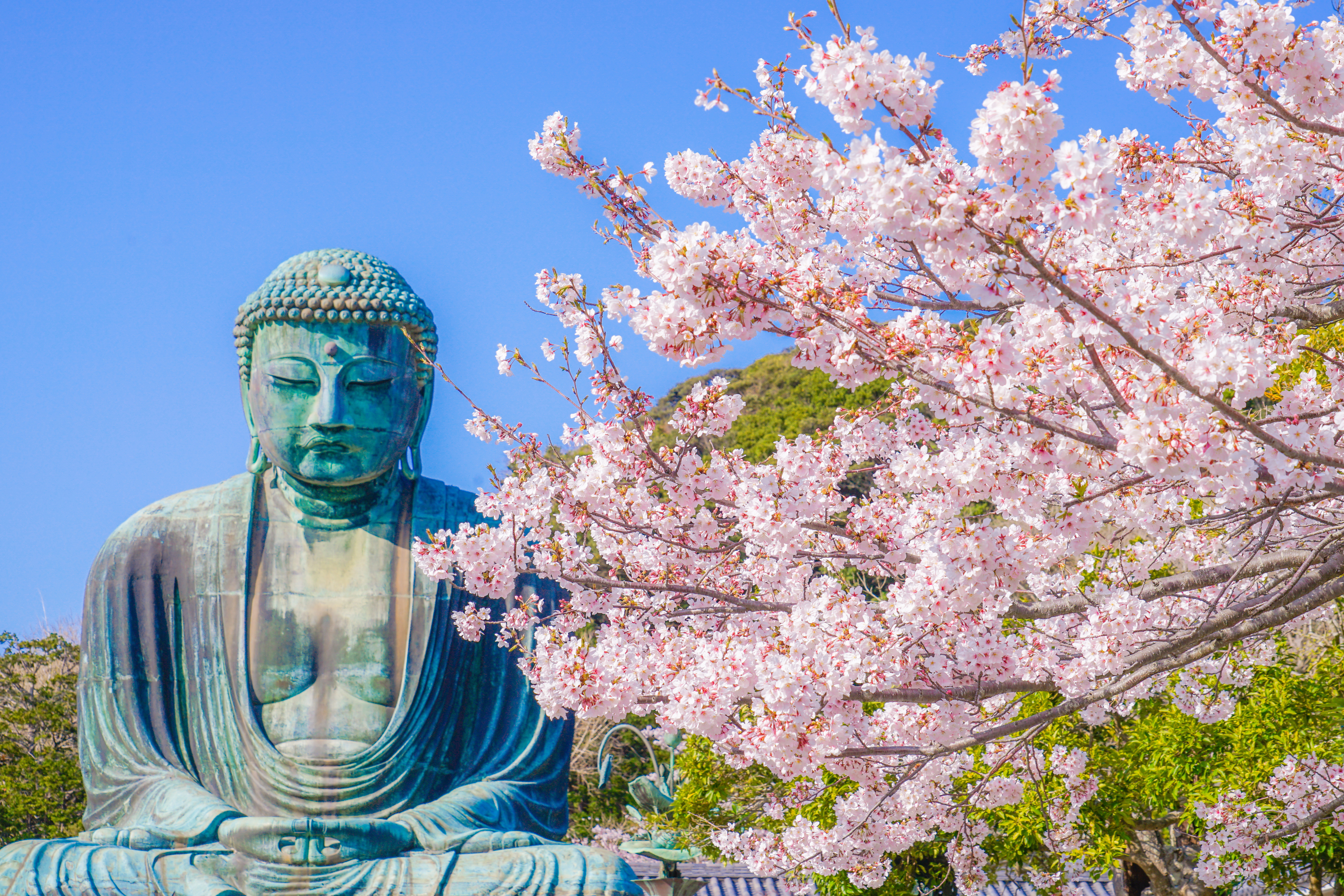
Proceed to Kamakura to visit the Great Buddha (Daibutsu), a towering bronze statue dating back to the 13th century.
One of Japan’s most iconic historical monuments.
Symbolizes peace, strength, and spiritual resilience.
An enduring reminder of Kamakura’s former capital status.
Hasedera Temple, a scenic hillside temple overlooking the Pacific Ocean.
Renowned for its beautiful gardens and Kannon statue.
Seasonal flowers enhance its calm and spiritual atmosphere.
A harmonious blend of nature and Japanese tradition.
Tsurugaoka Hachimangu Shrine, Kamakura’s most important Shinto shrine.
Deeply connected to samurai history and culture.
Serves as the spiritual and cultural heart of the city.
Hosts traditional festivals throughout the year.
Komachi Street, a lively shopping street near Kamakura Station.
Filled with local sweets, handcrafted goods, and cafés.
Perfect for relaxed strolls and souvenir shopping.
Blends traditional charm with modern flair.
|